NEMA Ratings Decoded: Choosing the Right Enclosure Protection for Your Application
Selecting the right electrical enclosure isn’t just about finding a box that fits your equipment. The environment where your enclosure will operate plays a crucial role in determining which protection level you need, and that’s where NEMA ratings come in.
The National Electrical Manufacturers Association (NEMA) established these ratings to help engineers and facility managers understand exactly what environmental conditions an enclosure can withstand. But with ratings ranging from NEMA 1 to NEMA 13, plus variations like 4X and 12K, the options can feel overwhelming.
At its core, the NEMA rating system addresses two fundamental questions: where will the enclosure be installed, and what hazards will it face? Indoor applications generally require lower protection levels, while outdoor installations demand enclosures that can handle rain, snow, ice, and temperature extremes. Industrial environments introduce additional considerations like corrosive atmospheres, dust, and the potential for oil or coolant exposure.
NEMA 1 enclosures provide basic protection against contact with enclosed equipment and are suitable for indoor use where no unusual conditions exist. The main goal here is protecting your electrical equipment from dust, debris, and accidental interference from others. These are your standard indoor control panels in climate-controlled environments. Moving up the scale, NEMA 3R enclosures are designed for outdoor use and protect against rain, snow, and ice formation, making them popular choices for outdoor disconnect switches and metering equipment.
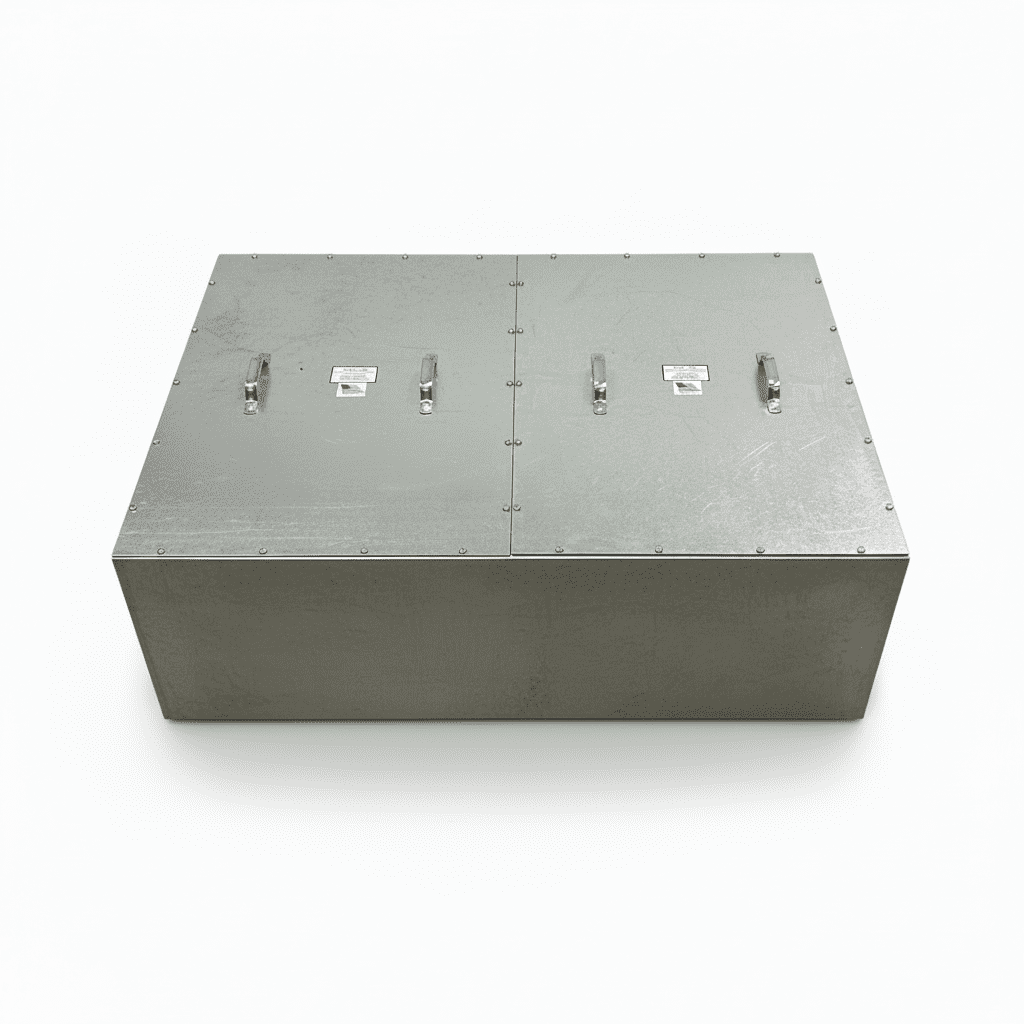
For Baltimore-area manufacturers dealing with our humid summers and harsh winters, NEMA 4 and 4X ratings often represent the sweet spot for outdoor applications. These enclosures provide protection against windblown dust and rain, splashing water, and hose-directed water. The ‘X’ designation indicates additional corrosion resistance, which becomes critical in coastal areas or facilities using chemical washdown procedures. We frequently recommend 4X enclosures for food processing plants, pharmaceutical facilities, and any application within 10 miles of the Chesapeake Bay.
NEMA 12 enclosures serve a different purpose entirely. While they’re designed for indoor use, they provide excellent protection against dust, falling dirt, and dripping non-corrosive liquids. Manufacturing facilities with standard machining operations often specify NEMA 12 for their control panels, as these enclosures prevent oil and coolant mist from damaging sensitive electronics while maintaining the accessibility needed for frequent maintenance.
The distinction between these ratings often comes down to specific environmental factors. A NEMA 3R enclosure might seem adequate for an outdoor application until you consider whether the enclosure will face direct hose-directed water during cleaning operations. Similarly, an indoor enclosure in a climate-controlled office building has vastly different needs than one installed in a foundry or cement plant.
One common misconception we encounter is the assumption that higher ratings are always better. A NEMA 12 enclosure provides superior dust protection compared to a NEMA 3R, but the 3R is built for outdoor exposure while the 12 is not. Specifying a NEMA 4X enclosure for a simple indoor application in a clean environment means paying for corrosion resistance and weather protection you’ll never need.
While NEMA ratings provide a framework, real-world applications often require customization beyond the base rating. We regularly fabricate NEMA 4X enclosures with additional features like louvers for ventilation, viewing windows for monitoring equipment, or specialized cutouts for conduit and cable entries. The rating defines the baseline protection, but the application determines the final design.
Understanding NEMA ratings also helps in conversations with inspectors and compliance officers. When you specify that an enclosure meets NEMA 4X standards, you’re communicating a specific level of protection that’s recognized across the electrical industry. This standardization speeds up approval processes and ensures that everyone involved in a project shares the same expectations.
For anyone specifying enclosures, the key is matching the NEMA rating to your actual environmental conditions rather than over-specifying out of caution. Talk with your fabricator about the specific hazards your enclosure will face, the frequency of exposure, and any special requirements like washdown compatibility or explosive atmosphere protection. The right NEMA rating combined with thoughtful design details will deliver reliable protection without unnecessary cost.
At J.M Gillin, we’ve fabricated custom electrical enclosures in Baltimore for over 50 years, and learned that the NEMA rating is just the starting point. Our team works with you to understand actual environmental conditions, equipment requirements, and long-term plans. Then we design an enclosure that meets the appropriate NEMA standard while incorporating your individual needs. Whether that is a straightforward NEMA 12 panel for your machine shop or a custom NEMA 4X enclosure with specialized cutouts, we’ll ensure you get the right solution for your job. Contact us to discuss your next project – we’ll help navigate the NEMA rating system and deliver an enclosure that’s built exactly right, just for you.